Meadowfoam oil is one of those ingredients that rarely makes headlines, yet somehow appears again and again in formulas that feel refined, stable and genuinely pleasant to use. If you are drawn to clean beauty and lightweight oils but still want that soft, polished finish, this is one ingredient worth getting to know better. Meadowfoam oil does not try to impress with bold claims. Instead, it works quietly, supporting both the skin and the formula itself.
DIY recipes for handmade cosmetics and soap making, using botanical ingredients and minerals.
Monday, February 9, 2026
Horse Chestnut Oil for Skin Comfort & Hair Balance
Horse chestnut is one of those botanical ingredients that quietly sits in the background of clean beauty. You have probably come across it in body creams, body care products, or soothing formulas, usually connected with comfort and support rather than instant glow. That quiet presence is exactly what makes it interesting. When horse chestnut is used in oil form, it steps out of the supporting role and becomes a versatile, sensorial ingredient that fits beautifully into modern beauty routines focused on consistency and skin wellbeing.
Abyssinian Oil: Lightweight Hydration and Natural Glow for Skin and Hair
As skincare routines evolve, one thing becomes increasingly clear; texture matters as much as performance. Modern beauty lovers want ingredients that nourish deeply while feeling almost invisible on the skin. Abyssinian oil fits this demand perfectly. It offers the comfort of a botanical oil combined with the elegance of a dry, fast-absorbing finish. This balance has turned it into a rising star within clean beauty formulations, especially for those who love natural ingredients but dislike heaviness.
Friday, November 25, 2016
milk thistle & its remarkable properties (Silybum marianum)
![]() |
| remarkable milk thistle benefits |
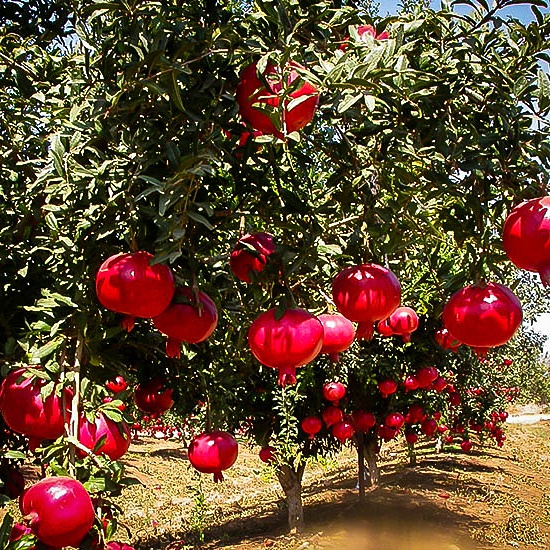
pomegranate for good fortune & beautiful skin (pomegranate, Punica granatum)
![]() |
| pomegranate trees |
Tuesday, September 6, 2016
Blackcurrant: from Botanical Heritage to Modern Skincare
Black currant (Ribes nigrum) is a perennial fruit-bearing shrub native to Europe and Asia. It belongs to the genus Ribesand typically reaches a height of 1 to 2 metres. Adapted to temperate climates, this resilient plant tolerates low temperatures remarkably well, making it suitable for cultivation in both northern and mountainous regions.
Monday, June 20, 2016
Calendula: a Botanical Approach to Skin Repair
Calendula (Calendula officinalis), commonly known as pot marigold, is an annual flowering plant widely cultivated across Europe and the Mediterranean region. Although today it grows naturally in many temperate climates, its historical roots trace back to North Africa and the eastern Mediterranean, where it was valued for both ornamental and medicinal purposes.
Tuesday, April 5, 2016
the awesome avocado (Persea americana)
![]() |
| avocado tree |
![]() |
| avocado fruit |
![]() |
| avocado oil |
Sunday, February 21, 2016
jojoba oil for beautiful skin & hair (jojoba, Chinensis simmondsia)
![]() |
| jojoba bush |
Wednesday, February 17, 2016
about carrot & beauty benefits (carrot, Daucus carota)
![]() |
| carrots in different shades |
Sunday, February 7, 2016
Tuesday, January 12, 2016
Argan Oil: Why it’s Called the Gold of Morocco
Sunday, November 8, 2015
Olive Oil for Skin and Hair: From Traditional Uses to Modern Care
The olive tree (Olea europaea, family Oleaceae) is one of the oldest cultivated trees of the Mediterranean basin. It is an evergreen perennial species strongly connected with the ecology, economy and culture of the region. Archaeobotanical findings indicate the presence of wild olives in the eastern Mediterranean (Syria, Asia Minor and Greece) since prehistoric times, while olive pollen samples discovered in Crete and mainland Greece date back to the Neolithic period.
Friday, September 18, 2015
Grapeseed Oil in Cosmetics: A Lightweight Oil for Skin and Hair
The grapevine has been cultivated for thousands of years and has long been associated with Dionysus, the Greek god of wine, celebration and ecstatic rituals. In ancient Greece the vine symbolized abundance, transformation and the pleasures of life. The cultivation of vines spread throughout the Mediterranean basin and eventually across Europe, shaping not only agriculture and trade but also culture and gastronomy. |
.png)